
A Conversation with Cole
"Horses don't choose the job, we choose it for them. If we can give back by trying to understand them as best as we can, it makes all the difference."
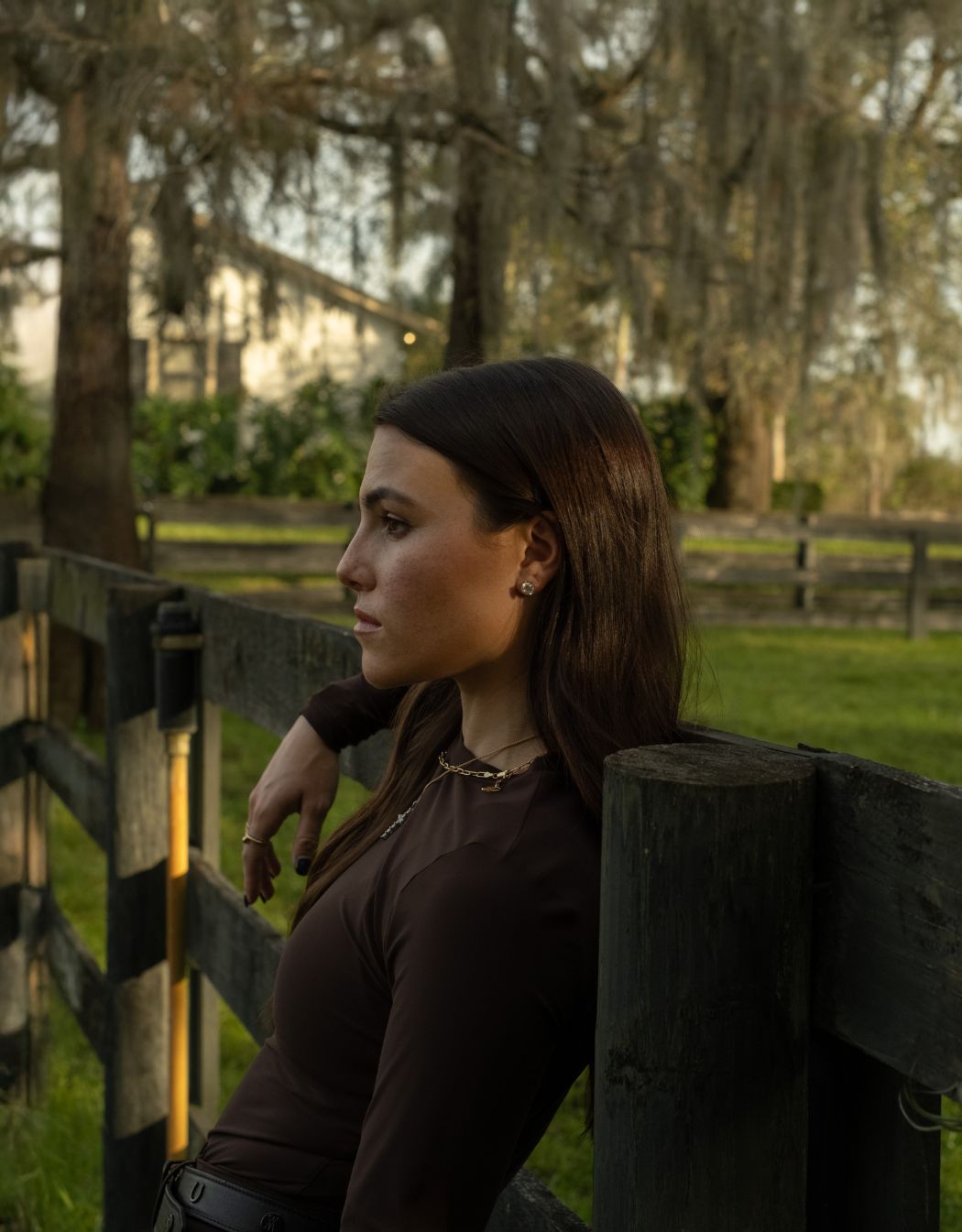
Meet Cole Shneider: founder of Ironman Equine, certified equine bodyworker, and lifelong horsewoman based at Seahorse Riding Club in Southern California. Through Ironman Equine, Cole produces sport horses and travels to barns across SoCal offering bodywork to top-level riders and their horses. Her path to the barn was an unusual one- she started her career in music management at 19 but that long-view, development-first mindset shapes everything about how she works today. We sat down with Cole to talk about listening to horses, the quiet work that supports great riding, and what she wishes more riders understood.


Cole started riding at four, and says she has always felt a deep, instinctive connection to horses. The investment side of Ironman Equine came first. The bodywork came later, almost by accident. As she built her business producing sport horses, she kept thinking about ways to give back to the animals that do so much for the people who ride them. She wanted something that asked nothing of them in return. After studying Masterson Method she began working on her own horses, and friends and barnmates saw the difference and asked her to work on theirs. The practice grew from there.
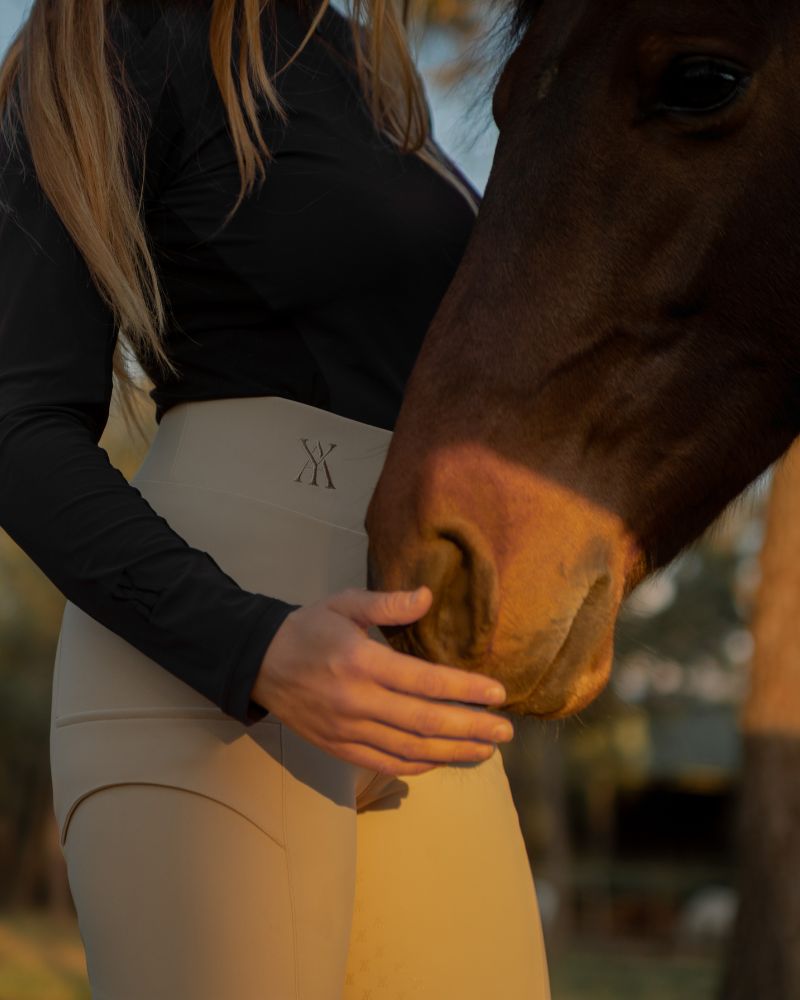
What working in one of the most intimate ways possible, through touch, has taught her is to look in the subtleties. "Horses have a lot of little ways of showing us how they feel," she says. "It may be through the softness of their eyes, movements in their tail, body posture. They are great communicators, especially if you take the time and have patience to let them show you."
She says she's constantly adapting, and that the horses themselves are her best teachers. Recently, a new horse was too anxious to settle in the cross-ties, so Cole brought him back to his stall, took off his halter, and stood away from him until he was ready to approach her. When he came over, she worked on him loose, letting him move and tell her where to focus. "He wound up releasing several times and totally guided me through the session. It was very cool." Now she works more horses that way — letting them set the terms.

"When a horse feels good in their body, they're more willing, more confident, and more connected to their rider."

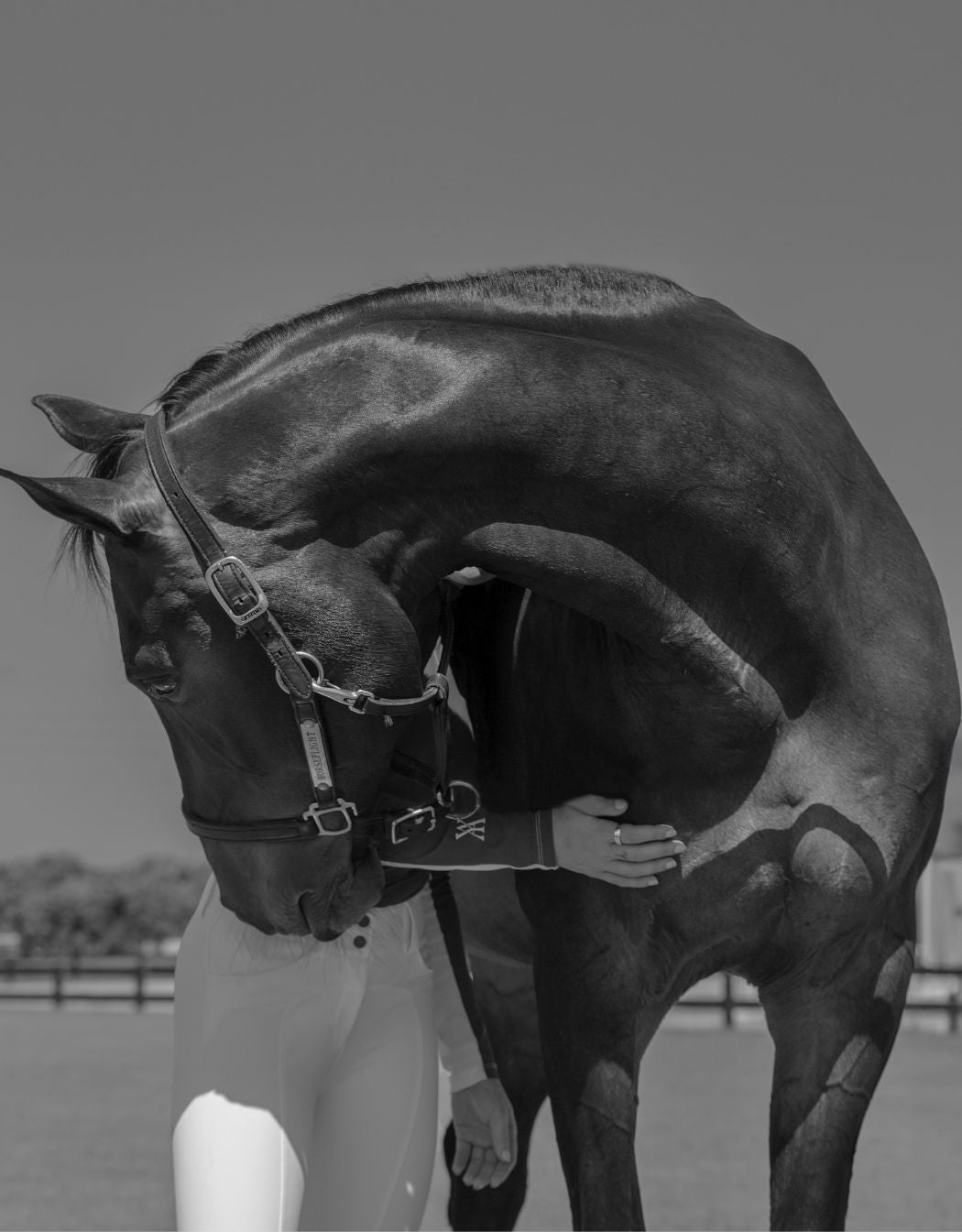
Ask her what she wishes more riders understood about what their horse's body is telling them, and Cole has a lot to say- but it comes back to one idea. These horses are athletes, but they are also animals with a lot of emotion and a heightened sense of energy. They're enormous and they're also very sensitive. She wishes more riders would take the time to get to know and study their horse's body language on the ground. Because at the end of the day, the horse didn't choose the job.
"Horses don't choose the job, we choose it for them. If we can give back by trying to understand them as best as we can, it makes all the difference."